Mosquito Surveillance and Trapping
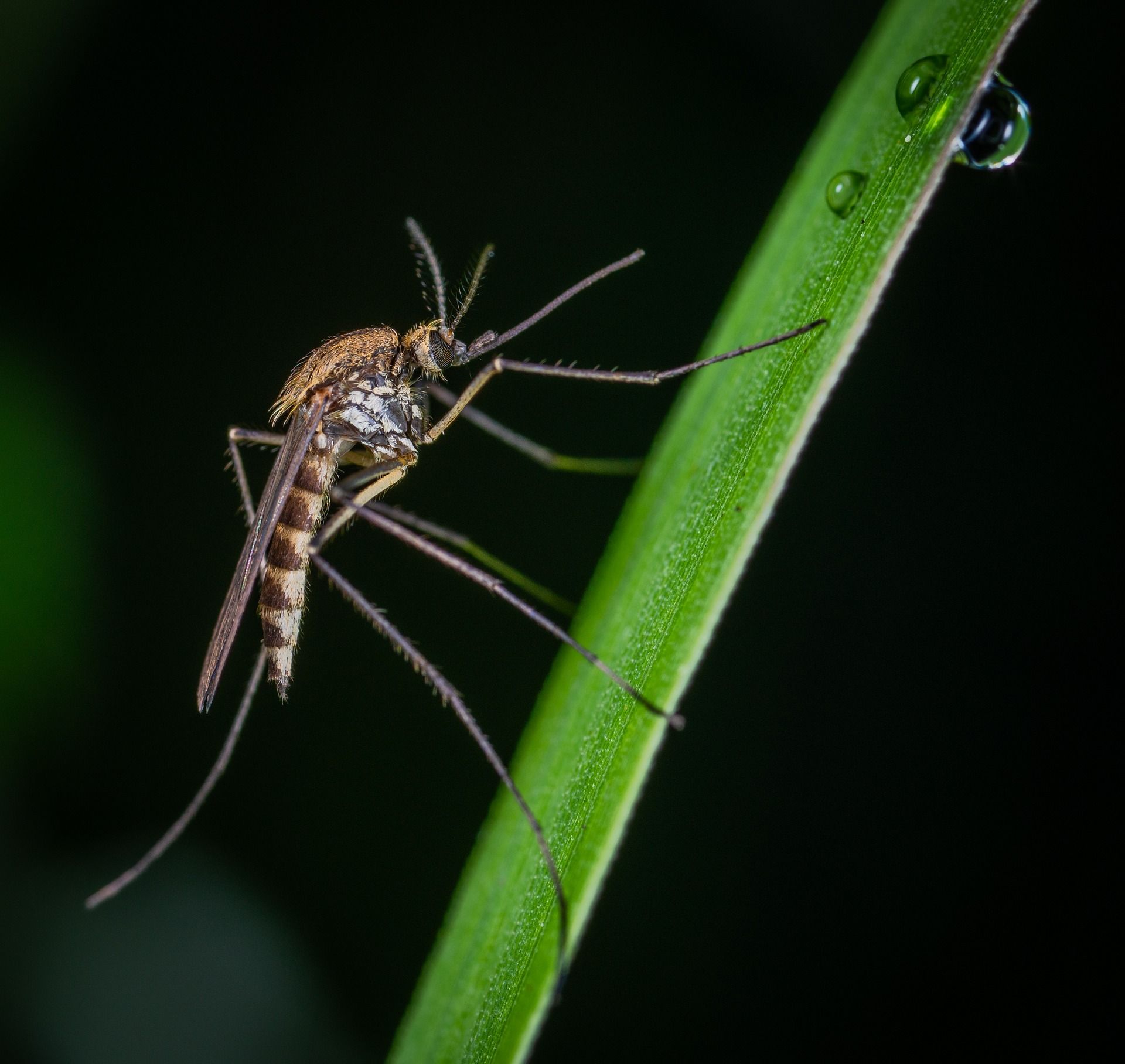
Two Rivers Public Health Department (TRPHD) actively monitors mosquito populations throughout our seven-county district to help identify and prevent mosquito-borne illnesses. Each year, our Environmental Health team places mosquito traps at selected locations and submits collected mosquitoes to the Nebraska Department of Health and Human Services (DHHS) for identification and testing. This surveillance helps track diseases such as West Nile virus, St. Louis encephalitis, and Western equine encephalitis, providing valuable information about potential health risks in our communities. Residents can explore statewide trends through Nebraska DHHS Arboviral and Mosquito Surveillance Data. TRPHD has also contributed to important public health research, including a 2024 CDC-published study identifying two West Nile virus lineages in a Nebraska patient. Through surveillance, research, and community education, TRPHD works to reduce mosquito-borne disease risks and protect residents across south central Nebraska.
Tick Surveillance in the TRPHD District
TRPHD also works with the Nebraska Department of Health and Human Services (DHHS) to monitor tick populations and better understand the risk of tick-borne diseases in our communities. Ticks are collected from two locations annually and identified to help determine which species are present and whether they may carry diseases. To date, TRPHD has not identified ticks known to transmit Lyme disease within our seven-county district. However, tick populations can change, and other tick species may carry illnesses that affect people and animals. Residents can explore the Nebraska DHHS Interactive Tick Surveillance Maps to learn more about tick species, their distribution, and potential disease risks across Nebraska.
Why use insect repellents?
- Insect repellents are used to repel mosquitoes, ticks, flies, and other biting insects. Mosquitoes can transmit diseases such as Zika, Malaria, and West Nile virus. Ticks can transmit Lyme disease, Rocky Mountain Spotted Fever, and other diseases. Repellents are not meant to kill insects, but to keep them away to prevent bites and the spread of disease.
How do insect repellents work?
- Mosquitoes and ticks are attracted to skin odors and the carbon dioxide we exhale. They also use heat, movement, and visual cues to find a possible host.1,2 Repellents affect an insect's senses such as smell and taste to prevent it from finding a human or animal host.
How effective are common insect repellents?
- Length of protection and efficacy of repellents can vary. They must undergo testing to show they are effective before they can claim to control mosquitoes or ticks. Look for label claims on your repellents. The CDC recommends using products that are registered with the EPA. Higher concentration repellents may protect people for longer. However, they are not better at keeping insects away.
What precautions can I take when using insect repellents?
- Apply just enough of a repellent to cover exposed skin. Avoid over-applying repellents. Follow label directions to find out how long to wait before reapplying.
- Do not use under clothing.
- Do not apply on open cuts, irritated, or sunburned skin.
- Do not spray repellents on the face, in ears, or near the eyes or mouth. To apply repellent to the face, first apply it to your hands and then rub it onto your face.
- Wash skin and treated clothing when returning indoors.
- Wash clothing prior to wearing again.
West Nile Virus
West Nile Virus is usually transmitted to people through mosquito bites. The mosquitoes are infected with west nile virus through biting infected animals, especially birds. Once a person is infected with west nile virus, only about 2 out of 10 people will actually have symptoms of west nile. The people who do have symptoms may have a fever, headache, body aches, vomiting, diarrhea, or rash. Most people with this type of west nile virus completely recover.
The people who are most at risk for west nile virus symptoms are people who are 60 years of age or older, although illness can occur in people of any age.
There are several easy steps to take to ensure that you are not at risk for the virus. Two Rivers Public Health Department recommends that you use bug spray containing one of the following EPA certified ingredients: DEET, Picaridin, IR3535, oil of lemon eucalyptus or para-methane-diol, or 2-undecanone. You can use this tool to find a list of EPA certified bug sprays. When possible, wear long sleeves and long pants. Protect your children by following instructions on the bug spray label an by using mosquito netting on strollers, cribs, and baby carriers. For more information about West Nile click here.
Arboviruses are any of a group of viruses that are transmitted by mosquitoes, ticks, or other arthropods. This group of viruses include: zika, west nile virus, dengue, yellow fever, The most common arbovirus in Nebraska is west nile virus.
If you are interested in getting free insect repellent wipes this summer, meet us at your local county fair or call us!