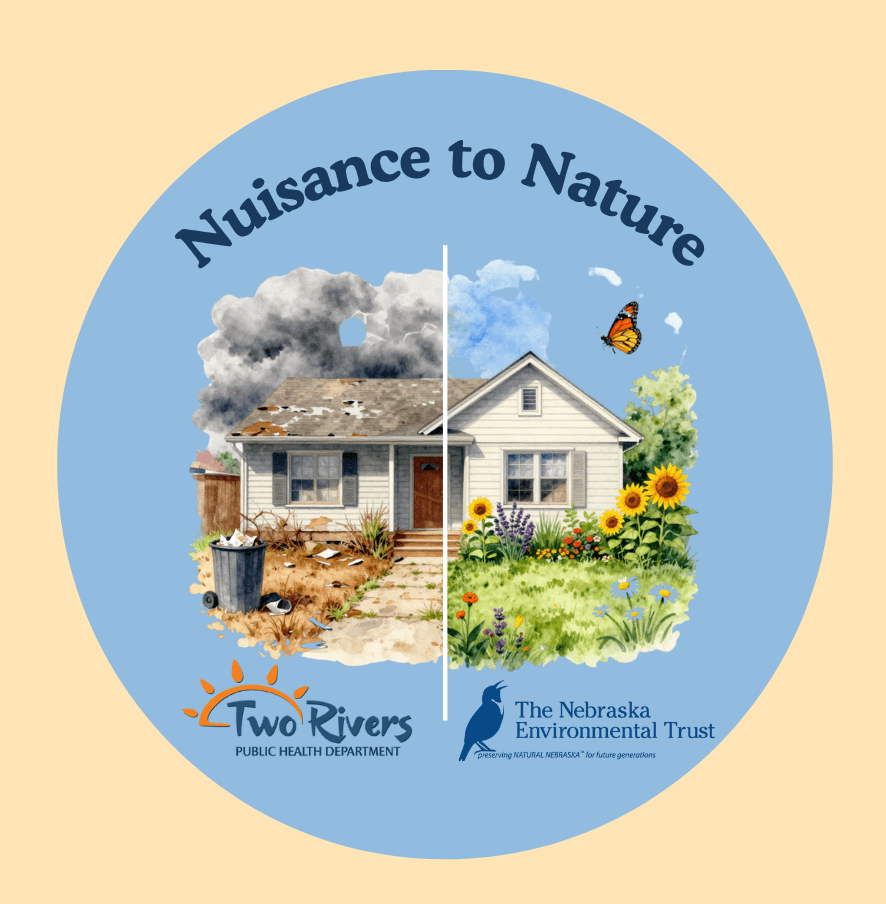
Transforming Nuisances into Healthier, More Beautiful Properties
In partnership with the Nebraska Environmental Trust, Two Rivers received a grant to help property owners address exterior nuisance conditions that create health, safety, and environmental concerns.
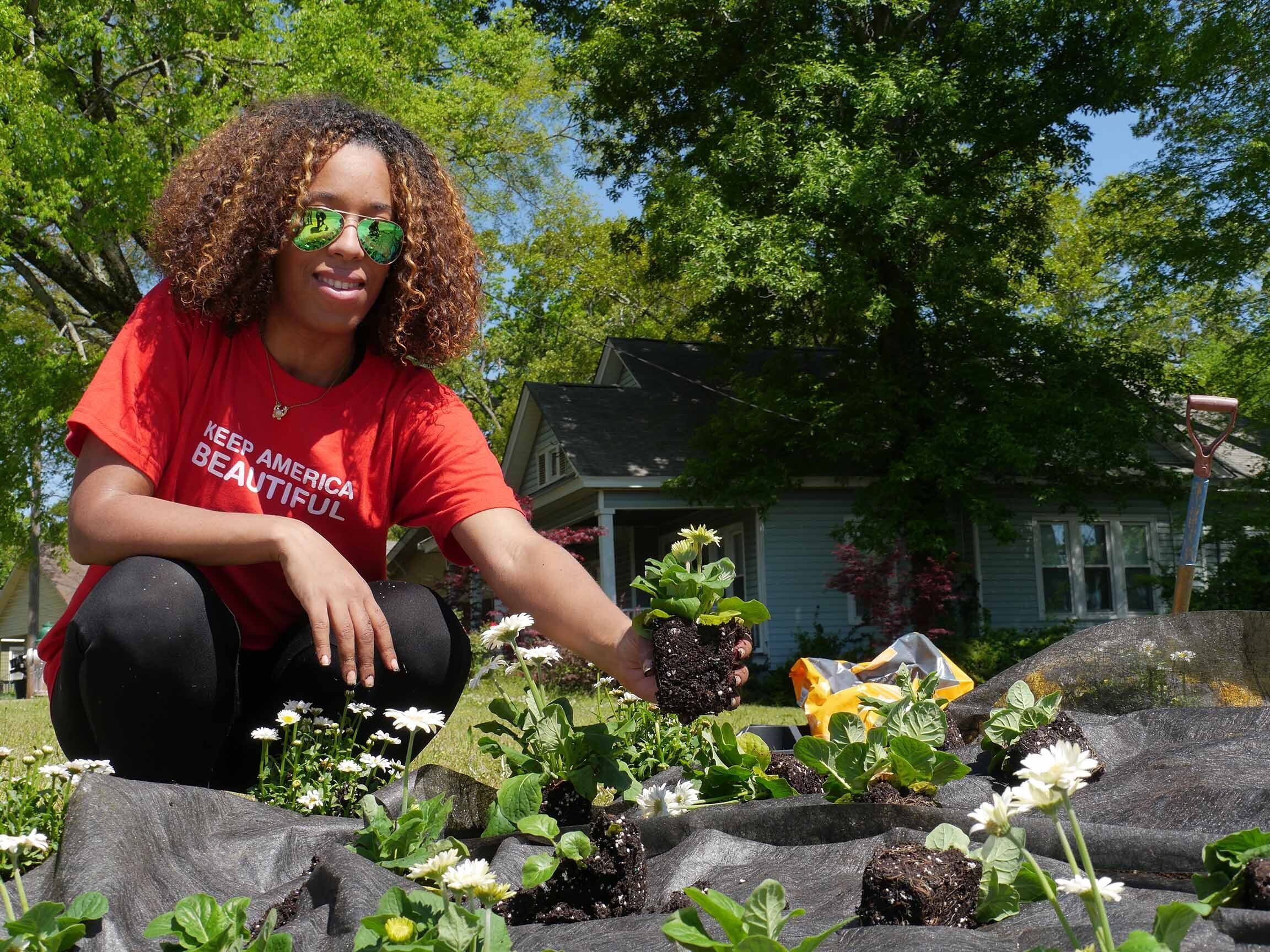
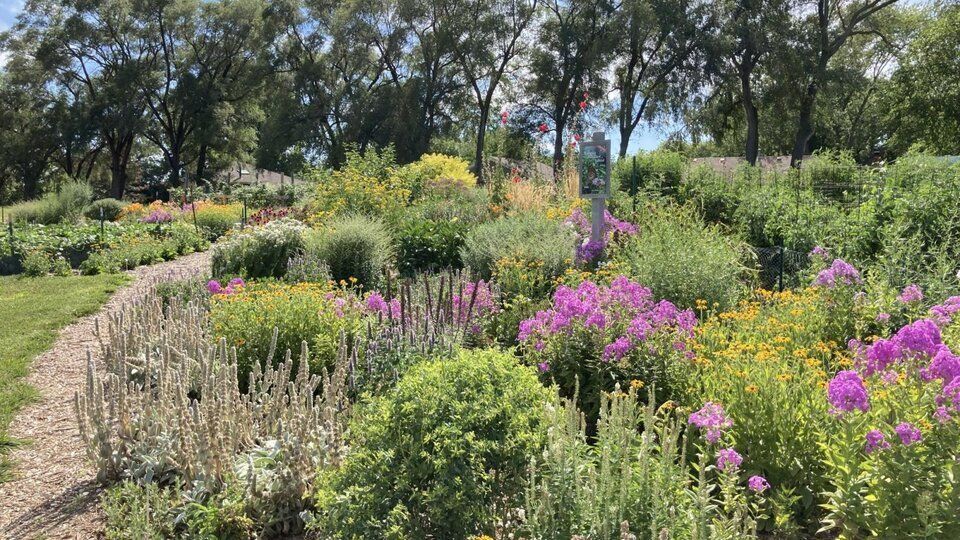
Our Nuisance Inspectors will use multiple methods to identify nuisance conditions on your property. Eligible participants will receive assistance removing nuisance conditions from their property at no cost. Once remediation is complete, participants will also receive the installation of a pollinator garden featuring native plants that support bees, butterflies, and other important pollinators.
In addition to physical improvements, every participant will receive a comprehensive Nuisance to Nature Handbook with information on maintaining their property, caring for their pollinator garden, understanding the environmental benefits of native plants, and connecting with local resources for future property maintenance needs.
Homeowners, renters, and landlords can all qualify for this program! Whether your property has accumulated debris, overgrown vegetation, unsafe structures, or other nuisance conditions, this program provides resources to help address these issues and improve the safety and appearance of your property. Together, these efforts can help create a healthier environment for you, your family, and your community.
What Is a Nuisance?
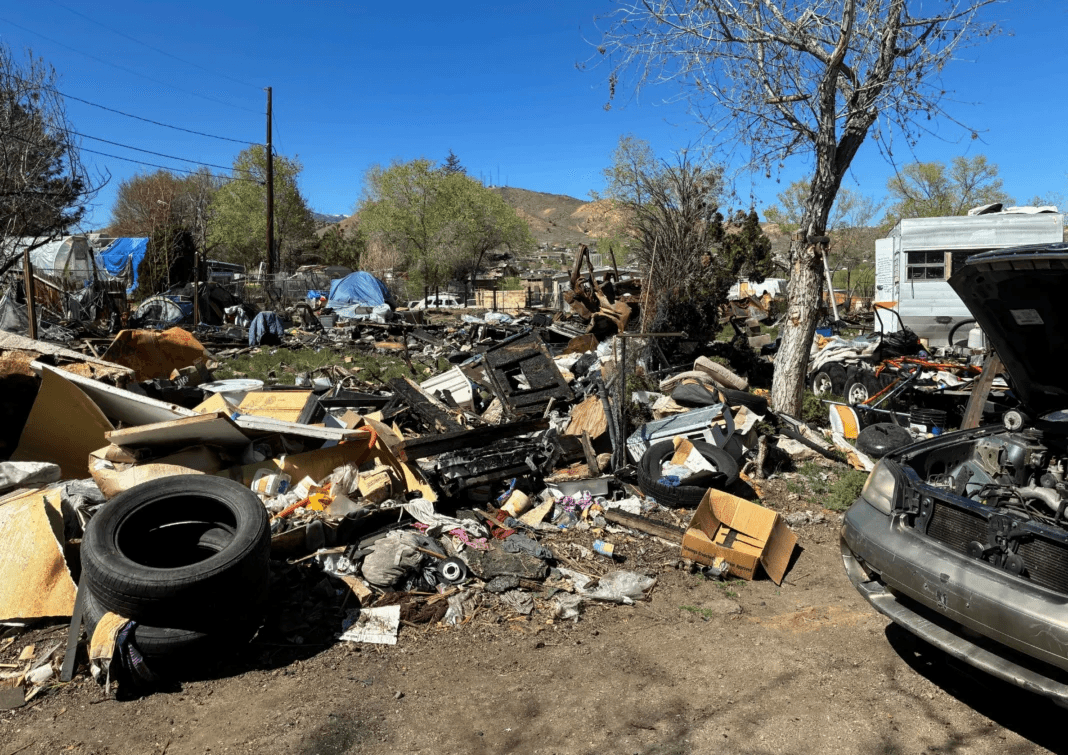
A nuisance is a condition that may negatively affect the health, safety, or environment of a property/neighborhood. While some items stored properly may not create concerns, nuisance conditions often develop when materials are left exposed, deteriorate over time, or create hazards for surrounding properties.
Common nuisance conditions include:
Abandoned or unlicensed vehicles
White goods such as refrigerators, freezers, washers, and dryers
Tires, pallets, and accumulated debris
Overgrown weeds, grass, trees, or brush
Broken or unsecured outbuilding doors and windows
Garages, sheds, barns, or other structures in disrepair
These conditions can contribute to pest infestations, fire hazards, water pollution, soil contamination, neighborhood decline, and other public health concerns.
What the Grant May Include
Depending on the needs of the property and available funding, eligible participants may receive assistance with:
Removal of unlicensed, abandoned, or inoperable vehicles
Removal of white goods, tires, pallets, refuse, and other debris
Mowing, brush removal, trimming, and vegetation management
Repair or securing of damaged outbuilding doors and windows
Stabilization, repair, demolition, or removal of unsafe outbuildings
Installation of a pollinator garden after remediation is complete
Educational resources to help maintain long-term property improvements
How Properties Are Selected
Property owners throughout the Two Rivers Public Health Department 7 county region may request a nuisance assessment.
Priority may be given to:
Properties already identified as nuisance properties under local ordinances
Households with lower incomes
Older adults
Individuals living with disabilities
Veterans and active military families
Households with dependents
Rural properties
Each property is evaluated individually to determine eligibility, environmental impact, and the most appropriate remediation activities.
What Happens After You Apply?
After an application is received:
TRPHD will review eligibility and schedule a property assessment.
Staff will identify nuisance conditions and determine appropriate remediation activities.
Approved work will be completed by qualified contractors.
Once remediation is complete, the property will receive a final inspection.
Eligible properties will then receive installation of a pollinator garden.
Participants receive educational materials and ongoing guidance for maintaining their improved property.
Our goal is to create lasting improvements that benefit both property owners and the communities they call home.
Why does the Nuisance to Nature Program matter to our communities?
The Nuisance to Nature Grant Program is about more than cleaning up a property. By reducing nuisance conditions, the program helps improve neighborhood appearance, protect public health and safety, reduce environmental hazards and pollution of soil and water, limit habitats for pests and disease vectors, and improve property conditions for residents and neighbors.